
Let's hear from Alex Runions, COO at The Retiring Farmer and host of The Retiring Farmer's Coffee Row Webinar Series:
|
Canada is on the verge of the largest intergenerational transfer of farm assets in its history, with more than $50 billion expected to change hands over the next decade. But here is the reality: while farming has long been passed down through generations, that pattern is shifting.
Although most families hope to keep the farm in the family, only about 60%–70% of these transitions are expected to go to children, with as many as one in three farms moving outside the family through sale, consolidation, or closure.
With over 60% of farmers already aged fifty-five and older, the question is no longer whether transition will happen—but who it will happen to, and whether families are prepared when it does.
The key question is whether that transition happens on your terms.
The Retiring Farmer provides practical support to help families navigate succession, retirement, tax planning, asset transfers, and family communication—so they can protect what they have built and make confident, informed decisions about the future.
Bottom line: Do not delay these conversations—start planning now.
Take a few minutes to read the article below. We hope you find the information helpful. Our team is here to answer any questions you might have. Reach out to schedule your free consultation today!
What the $50 Billion Number Represents
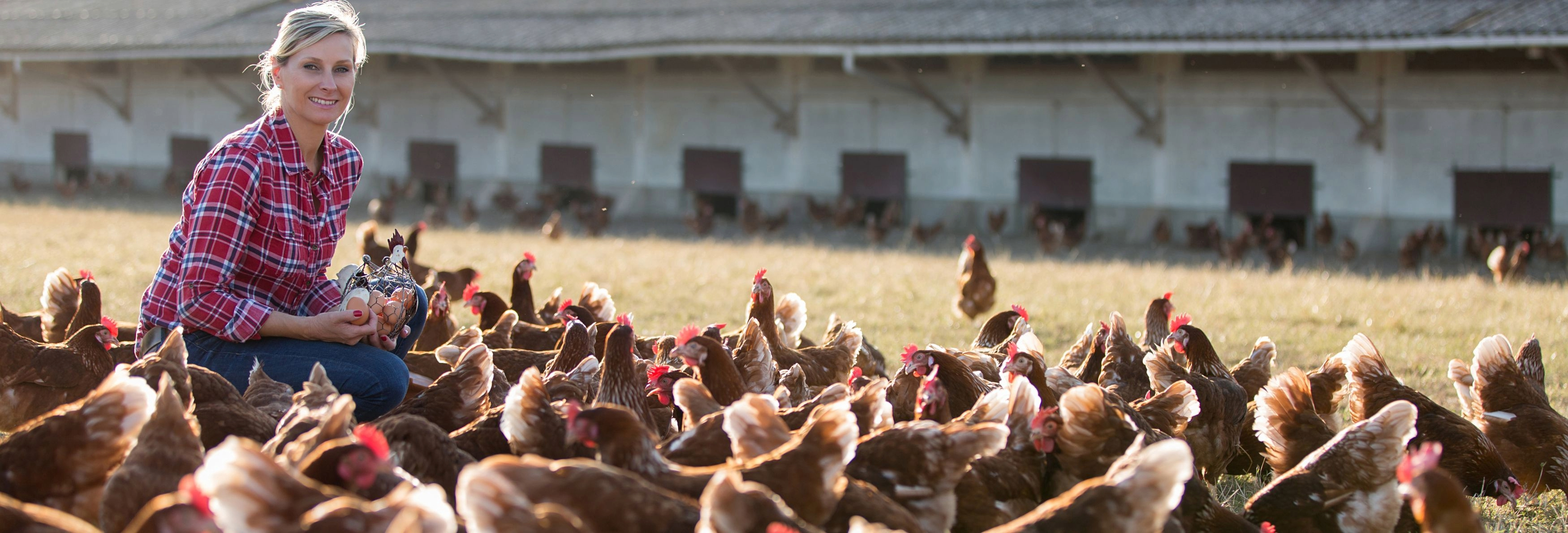
The $50 billion figure is about more than farmland. While land is often the largest asset on the balance sheet, a working farm may also include:
- Machinery and equipment
- Livestock
- Quota
- Buildings and infrastructure
- Crop inventory
- Operating capital
- Shares in a family farm corporation
When assets of this size move from one generation to the next across an entire country, the impact is significant. Land prices may shift. Financing can become harder to secure. Tax exposure can grow. Family disputes can become more likely when expectations are unclear.
This is why planning matters.
The Retiring Farmer helps families understand the full picture before major decisions are made. We assist clients in organizing their farm information, identifying key issues, preparing for professional meetings, and building a transition path that reflects both financial realities and family goals.
Key Planning Concepts Every Farm Family Should Understand

A successful transition requires the right professional advice—but every farm family should understand the core concepts that shape their options:
1. Tax Planning Matters
Tools like the Lifetime Capital Gains Exemption (LCGE) can significantly reduce taxes on qualifying farm assets, helping preserve more wealth within the family.
2. Deferring Taxes Through Family Transfers
Strategies such as intergenerational rollovers may allow assets to pass to the next generation without triggering immediate tax, easing the financial burden of transition.
3. Managing Future Growth and Risk
Approaches like estate freezes can help lock in today’s value for the retiring generation while allowing future growth to move to the next generation.
Each of these strategies can have a major impact—but only when applied correctly as part of a coordinated plan.
When There is No Family Successor
Not every farm has a child ready to take over—and that is increasingly common. Today’s realities—high land values, capital costs, and different career paths—mean many farms will transition outside the family.

Options may include:
- Selling to a neighbor or external buyer
- Leasing land for income
- Transitioning gradually to a young farmer
- Structuring a staged sale
Each path carries different tax, financial, and family implications.
Without planning, decisions are often made under pressure—and that can limit outcomes. The absence of a successor does not reduce the need for planning—it makes it even more critical.
Support Both Paths: Family or External Transition
Whether the farm is passed to a child or transitioned outside the family, the planning approach should not change—the stakes and complexity remain the same.

We help ensure the right decisions are made around:
- Tax strategy
- Asset transfer structure
- Timing and execution
- Protecting long-term value
In practice, the same core considerations apply in both situations: thoughtful tax planning, managing future growth and risk, and balancing family expectations.
Because the goal is not simply to complete a transition—but to ensure it is well-structured, well-executed, and aligned with your financial goals, retirement needs, and family priorities.
Planning Puts You in Control

The Retiring Farmer provides practical support to help families navigate succession, retirement, tax planning, asset transfers, and family communications so they can protect what they have built and make confident, informed decisions.
Because in a transition this important, the goal is not just that it happens—it is that it happens on your terms.
What to Do in the Next 90 Days
You do not need a fully completed succession plan in the next 90 days—but you do need to build momentum. Taking a few focused steps now can bring clarity, reduce uncertainty, and set the foundation for better decisions.

Here is how to get started:
1. Understand What You Have
Start by getting a current estimate of your farm’s value, including land, buildings, equipment, quota, livestock, and inventory. Without accurate numbers, it is difficult to plan effectively.
2. Get Your Financial House in Order
Organize key documents:
- Last three years of farm financial statements
- Personal and corporate tax returns
- Loan agreements and leases
- Insurance policies
Having this information ready will save time and improve the quality of advice you receive.
3. Align on Retirement Goals
Sit down with your spouse and have an honest discussion:
- Where do you want to live?
- How involved do you want to stay in the farm?
- What level of income will you need?
Clarity here drives every other decision.
4. Start the Family Conversation
Talk directly with your children—do not assume:
- Is anyone interested in farming?
- What are their expectations?
- What timeline makes sense?
Clear communication early can prevent conflict later.
5. Build the Right Advisory Team
Farm transitions require coordinated advice. This often includes:
- Accountant
- Lawyer
- Financial planner
- Lender
- Insurance advisor
- Succession planning support
Choose professionals who understand agriculture and family transitions.
6. Get Guidance to Move Forward
The Retiring Farmer helps you organize the process, prioritize decisions, and prepare for productive conversations with both your family and advisors.
The goal is to move from uncertainty to clear, confident action.
7. Explore Key Strategies Early
Start discussions around important planning tools such as:
- Lifetime Capital Gains Exemption
- Intergenerational rollover
- Estate freeze
- Insurance planning
- Structured sale options
Understanding these early gives you more flexibility and better outcomes.
Start Now - Decide Later
These steps do not force a final decision. They give you the information, clarity, and control needed to make the right decisions—on your timeline, and on your terms.
How The Retiring Farmer Helps

Navigating a farm transition can feel overwhelming—not because there are not options, but because there are too many moving parts happening at once.
That is where The Retiring Farmer comes in.
1. Brings Structure to the Process
Most families do not know where to start. We help you:
- Break the transition into clear, manageable steps
- Identify what needs to happen now vs. later
- Keep the process moving forward
You go from uncertainty to a clear roadmap.
2. Prepares You for Better Decisions
Before you meet with accountants, lawyers, or lenders, we help you:
- Organize your financial picture
- Clarify your goals for retirement and legacy
- Understand the implications of different options
This leads to more productive conversations and better advice.
3. Connects the Financial, Tax, and Family Pieces
Farm succession is not just financial—it is also personal. We help you think through:
- Fairness between farming and non-farming children
- Income needs in retirement
- Ownership vs. control decisions
- Risk and future growth considerations
The result is a plan that works both on paper and within the family.
4. Supports Both Paths: Family or External Transition
Whether the farm is:
- Passing to a child
- Being sold or transitioned outside the family
We ensure the same level of planning around:
- Tax strategy
- Asset transfer structure
- Timing and execution
- Protecting long-term value
Because the goal is not just a transition—but the right transition.
5. Keeps You in Control
Without guidance, transitions are often rushed or reactive. We help you:
- Plan ahead instead of responding to crises
- Evaluate options before making decisions
- Move forward at a pace that fits your family
Bottom Line
The Retiring Farmer helps farm families take that first step with confidence. We offer free, no-obligation Discovery Calls to learn about you, your family, and your farm.
To learn more about us, visit our website at www.theretiringfarmer.com or book a Discovery Call today!
The best time to begin planning may have been years ago. The next best time is today.
About the Author

Alex Runions is the COO and investment lead at The Retiring Farmer, where he supports farm families through transition, succession, and retirement planning. He also hosts The Coffee Row Webinar Series, bringing practical conversations to Canadian farmers and advisors.
Disclaimer: This article is provided by The Retiring Farmer for informational and educational purposes only. It does not constitute legal, tax, investment, financial, or other professional advice. Farm transition and succession planning decisions should be made directly with your own qualified professional advisory team, including legal, tax, accounting, financial, and investment advisors who understand your specific circumstances.