You've spent decades reading the land, watching the markets, and managing risk every single season. But when it comes time to turn your farm's value into a retirement income, the language changes.
Suddenly you're hearing terms like asset allocation, RRIF, and time horizon — and they can feel as foreign as a new piece of equipment with no manual.
Here's the good news: these investment terms aren't as complicated as they sound. Once you understand the basics, you can make confident decisions about your money and your future.

In this article, you'll learn:
The key investment terms every retiring farmer should know
-
Why these concepts matter when you transition farm wealth into retirement
-
How working with a specialized team makes the whole process simpler
Let's break it down in plain language, the way it should be.
Why Investment Terms Matter for Your Retirement
For most farmers, the farm is the retirement plan. Your land, equipment, and operation represent a lifetime of hard work and value. But that value is often "locked up" — it's not the same as cash in your pocket.

When you sell, transition, or restructure your farm, you may end up with a significant amount of money to manage. That's where understanding investment terms becomes critical. The decisions you make can affect:
-
How much income you'll have each year
-
How much tax you'll pay
-
How long your savings will last
Knowing the language helps you ask the right questions and avoid costly mistakes. Think of it like learning the controls before you operate new machinery — you don't need to be an expert, but you do need to understand the basics.
Foundation Terms: Building Your Investment Knowledge
Start here. These core concepts form the base of nearly every retirement conversation you'll have.
Asset Allocation
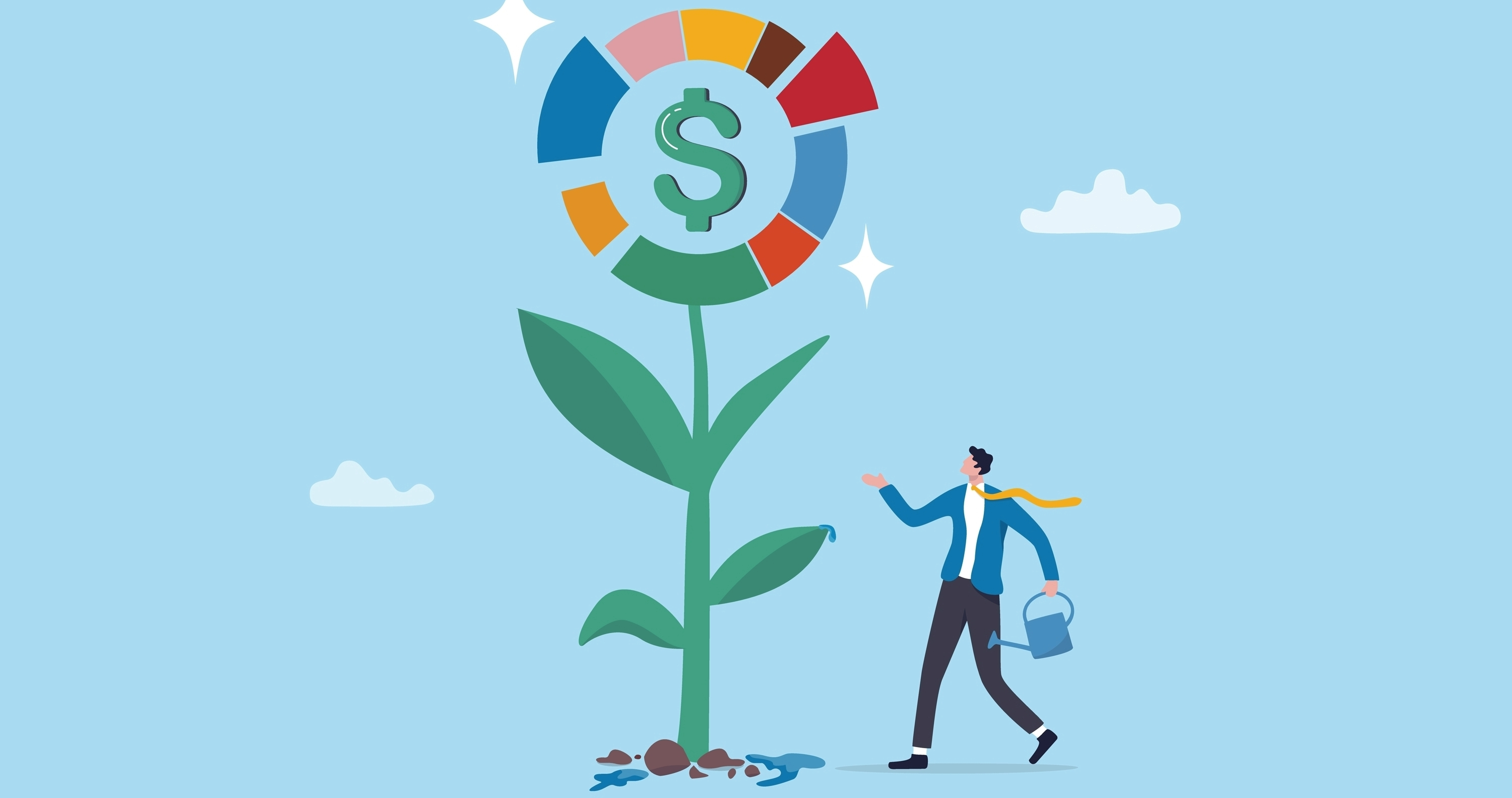
Asset allocation is simply the mix of different investment types you hold — like stocks, bonds, and cash. Your ideal mix depends on your goals, your comfort with risk, and how soon you'll need the money.
Think of it like rotating crops. You don't plant everything in one field hoping for the best. You spread things out to balance risk and reward.
Diversification
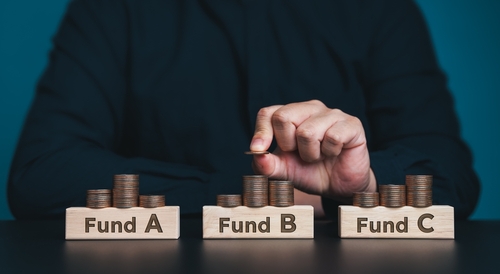
Diversification means spreading your money across different investments to lower your risk. If one investment drops in value, others may hold steady or grow.
You already understand this instinctively. A farmer who runs both crops and livestock isn't betting everything on one outcome. The same idea protects your retirement savings.
Risk Tolerance
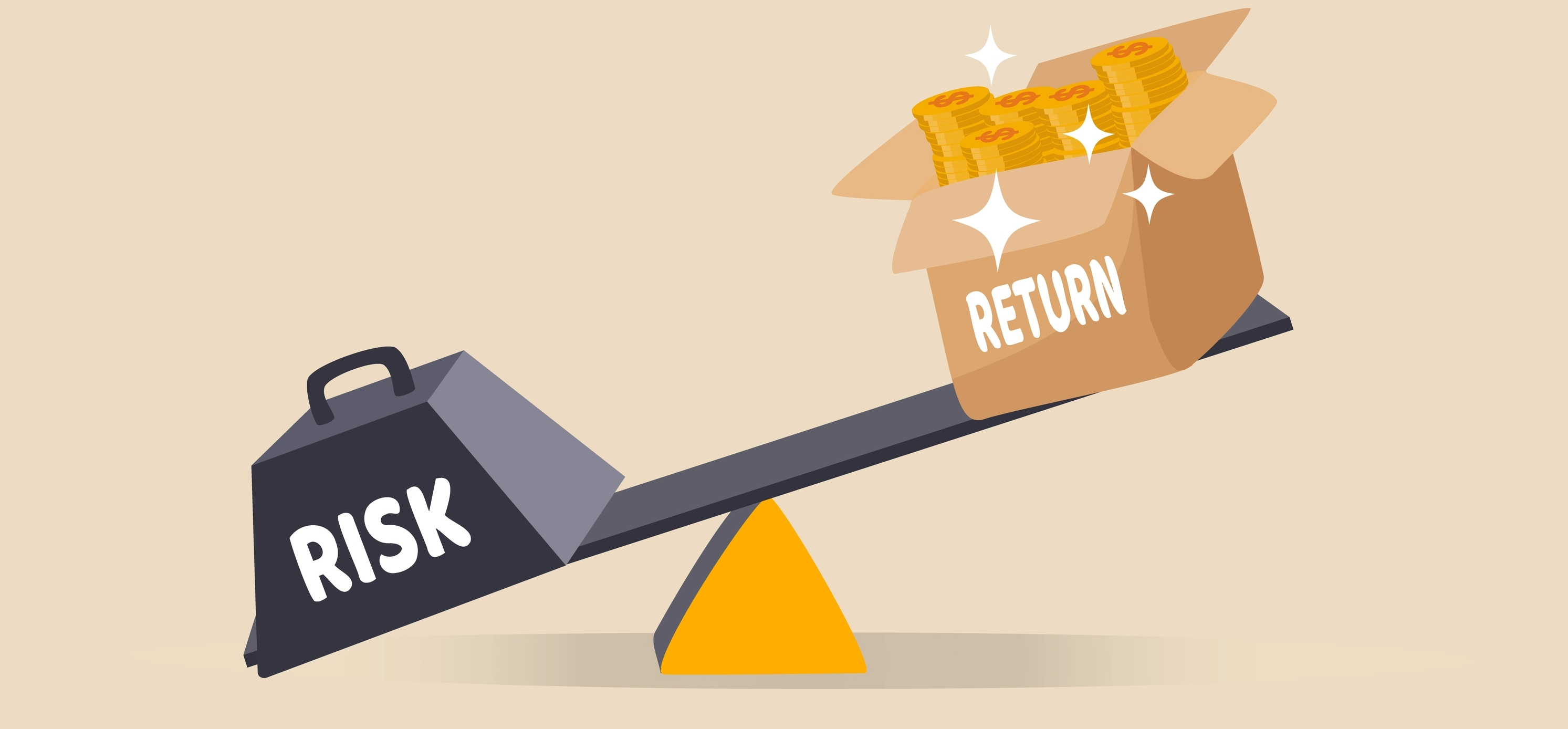
Risk tolerance is how comfortable you are with the ups and downs of your investments. Some people can handle big swings in value. Others lose sleep over them.
There's no right or wrong answer here — only what's right for you. Knowing your risk tolerance helps you build a plan you can actually stick with.
Time Horizon

Your time horizon is how long you plan to keep your money invested before you need it. A longer horizon often means you can handle more ups and downs, because you have time to ride out the rough patches.
If you're 55 and won't touch the money for 15 years, that's a different plan than if you're 68 and need income now.
Registered Accounts: Tax-Smart Ways to Save

These accounts come with special tax benefits set up by the government. Used well, they can help your money grow faster and reduce your tax bill.
RRSP (Registered Retirement Savings Plan)
An RRSP lets you save for retirement while lowering your taxes today. Your contributions are tax-deductible, and your money grows tax-free until you withdraw it.
For farmers selling assets in a high-income year, RRSP contributions can be a useful tool to manage the tax hit.
RRIF (Registered Retirement Income Fund)

A RRIF works like an RRSP in reverse. Instead of putting money in, you take money out. Most farmers convert their RRSP into a RRIF when they retire. By December 31 of the year you turn 71, your RRSP must be converted to a RRIF, and starting at age 72 you must withdraw at least the annual minimum amount set by the government (just over 5% of the account value).
There's a catch: the government requires you to withdraw a minimum amount each year, and you pay tax on what you take out. Planning these withdrawals carefully can save you thousands.
TFSA (Tax-Free Savings Account)

A TFSA lets your money grow completely tax-free. You don't get a tax deduction for contributions, but every dollar you withdraw — including your growth — is tax-free.
This makes the TFSA a powerful tool for generating retirement income without bumping you into a higher tax bracket.
Common Investment Types Explained:
1. GIC (Guaranteed Investment Certificate)
A GIC pays you a fixed rate of interest for a set period, usually one to five years. Your original money is safe, making GICs one of the lowest-risk options available.
The trade-off is a lower return. GICs offer security, not big growth.
2. Bonds
A bond is a loan you make to a government or company. In return, they pay you interest and give your money back on a set date. Bonds are generally steadier than stocks, which is why they're popular with people nearing or in retirement.
3. Mutual Funds
A mutual fund pools money from many investors and uses it to buy a mix of stocks, bonds, or other investments. A professional manager picks the investments for you.
This gives you instant diversification without having to choose every investment yourself.
4. ETFs (Exchange-Traded Funds)
An ETF is similar to a mutual fund — it holds a basket of investments — but it trades on a stock exchange like a single stock. ETFs often come with lower fees than mutual funds, which means more of your money stays working for you.
Understanding Your Returns:
These terms tell you how your money is actually performing — and how it grows over time.

1. Compound Interest
Compound interest is when you earn interest on your original money and on the interest you've already earned. Over time, this snowball effect can grow your savings significantly.
Here's a simple example: if the bank pays you $5 interest on a $55 deposit in year one, in year two you earn interest on $60 — not just your original $55. The longer your money stays invested, the bigger the effect.
2. Rate of Return
Your rate of return is the gain or loss on an investment, shown as a percentage. If you invest $1,000 and earn $50 in a year, your rate of return is 5%.
This number helps you compare options and see whether your money is keeping up with inflation.
3. Capital Gains
A capital gain is the profit you make when you sell an investment for more than you paid. For example, if you buy a stock for $20 and sell it for $30, your capital gain is $10.
This matters for farmers because selling farm assets can trigger capital gains too. Knowing the rules can help you plan ahead and reduce your tax bill.
4. Dividends
You now have a solid grasp of the key terms. But understanding the words and building a complete plan are two different things.
Here's where many farmers run into trouble:
-
The wrong mix: Picking investments without a clear plan can leave you exposed to too much risk — or too little growth.
-
Missed strategies: General financial advisors often don't understand the unique nature of farm wealth, succession, and transition.
Farming is different from any other business, but it is like a disciplined investment approach in these ways:
-
Turn farm assets into reliable retirement income
-
Use registered accounts and strategies to reduce taxes
-
Build an investment mix that matches your goals and comfort level
-
Plan the transition in a way that honors your legacy
You don't have to figure this out on your own, and you don't have to become a financial expert overnight.
Take the Next Step
Understanding these key investment terms is a great first step. The next step is putting them to work in a plan built around your farm, your family, and your future.

That's where we come in. Our team understands the realities of Canadian agriculture and the financial decisions that come with stepping back from the land.
Book a free Discovery Call with The Retiring Farmer team today. In one conversation, we'll help you understand your options, answer your questions, and start mapping out a retirement plan that secures everything you've worked so hard to build.
Your land worked hard for you. Now let's make sure your money does too. “It’s your land, your legacy.”
About the Author

Alex Runions is the COO and investment lead at The Retiring Farmer, where he supports farm families through transition, succession, and retirement planning. He also hosts The Coffee Row Webinar Series, bringing practical conversations to Canadian farmers and advisors.
Disclaimer: This article is provided by The Retiring Farmer for informational and educational purposes only. It does not constitute legal, tax, investment, financial, or other professional advice. Farm transition and succession planning decisions should be made directly with your own qualified professional advisory team, including legal, tax, accounting, financial, and investment advisors who understand your specific circumstances.